
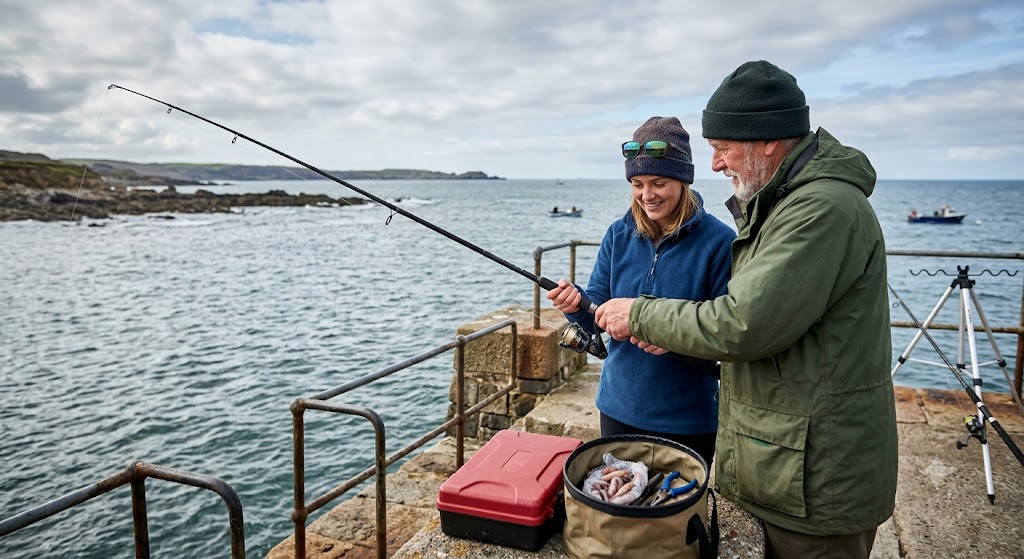
Sea Fishing for Beginners
Sea fishing along the British coastline offers an exhilarating, accessible, and deeply rewarding adventure for anglers of all ages. With over 11,000 miles of diverse UK shores—ranging from steep shingle beaches and sandy bays to rugged rocky headlands and bustling harbour piers—there is no shortage of productive saltwater mark options to explore.
Unlike traditional freshwater angling, sea fishing gives you the opportunity to target an incredible variety of species. Depending on the venue, seasonal conditions, and chosen technique, a single tide session can yield cod, bass, whiting, mackerel, flounder, pollack, or wrasse. Additionally, sea fishing provides an open invitation to enjoy the fresh sea air without needing expensive club memberships or private venue permits.
However, standing on an open beach looking out at a vast ocean can feel intimidating to someone brand new to saltwater angling. Navigating heavy ocean currents, choosing between sea fishing rigs, casting weighted sinkers, and understanding tide movements require a clear understanding of the basics.
This comprehensive guide breaks down the essential elements of UK sea angling into simple, practical steps. From choosing your first beachcaster or light spinning rod to selecting lethal baits and reading coastal tides, you will find actionable advice here to build your confidence and help you put fish on the bank.
Essential Gear and Tackle for Coastal Angling
Saltwater environments are demanding on tackle. Heavy waves, abrasive sand, sharp rocks, and corrosive salt air mean your equipment needs to be durable, reliable, and properly sized for the venue you choose to fish.
For a complete beginner, coastal angling generally splits into two primary styles: heavy beachcasting from open shores or lightweight shore angling off piers, breakwaters, and rocks.
Rods, Reels, and Lines for the Coast
A classic UK beachcaster rod measures between 12 and 14 feet in length, rated to cast heavy lead weights ranging from 4oz to 7oz (110g to 200g). This length provides the necessary leverage to punch heavy baits out beyond breaking waves into deeper water where fish feed.
Alternatively, if you prefer an active style of angling off harbour walls or rocky outcrops, an 8-foot to 10-foot spinning rod, rated to cast 20g to 60g lures or light bottom weights, is ideal. This lightweight setup is far easier to handle and perfect for targeting mackerel, pollack, and bass during warmer summer months.
Pair your rod with a durable 7000-size fixed-spool reel or a rugged multiplier reel. For shore fishing, spool your reel with a tough 15 lb to 20 lb monofilament main line. Always attach a heavy 50 lb to 60 lb shockleader to the end of your main line. A shockleader absorbs the immense kinetic force generated when casting heavy lead sinkers, preventing dangerous line snaps on the beach.
Understanding Classic Sea Fishing Rigs and Weights
Terminal tackle for sea fishing is designed to hold your bait firmly on the seabed against strong currents while keeping your hooks tangle-free.
The 2-Hook Bomber / Flapper Rig: The ultimate multi-species shore rig. Featuring two short hook traces attached above a bottom lead weight, this rig presents two separate baits at varying heights off the seabed. It is exceptionally effective for flatfish, whiting, codling, and bass.
The Pulley Pennell Rig: Designed specifically for targeting larger fish over rough, rocky seabed ground. When a fish strikes, the lead slides up the pulley rig out of harm’s way, reducing the risk of your lead snagging in rocks or kelp while bringing the fish ashore.
Gripper Lead Sinkers: These lead weights feature fold-out wire spikes that dig into sand or mud to keep your bait stationary in heavy tide currents.
Plain Sinker Leads: Smooth, wire-free weights designed to roll gently along sandy bottoms, actively searching out flatfish like plaice and flounder.
Saltwater Baits, Tides, and Coastal Watercraft
Selecting the right bait and understanding how tidal movements influence marine life are the core pillars of consistent shore angling success. Most marine fish rely heavily on scent to locate food in murky surf.
Visiting your local sea tackle shop or fishmonger before your session will give you access to the freshest and most effective regional baits.
Top Baits for UK Sea Angling
Lugworm and Ragworm: These natural marine worms form the backbone of UK shore fishing. Their scent trails attract virtually every coastal species, particularly flounder, dab, whiting, and codling.
Peeler Crab: Unquestionably the most effective bait for target species like smoothhound, large bass, and cod. The strong, pungent scent released by a soft, moulting crab is irresistible to saltwater predators.
Mackerel Strips: Fresh or frozen mackerel is oily, highly scented, and firm on the hook. Slices of mackerel skin make superb baits for garfish, pollack, bream, and ray species.
Squid: Known to sea anglers as "visual white gold," squid is tough, highly visible, and stays on the hook well during long-distance casts. It is ideal when fished whole for bass or tipped onto worm baits for extra attraction.
Reading Tides and Weather Conditions
In sea fishing, the tide is your clock. Water levels on UK coasts rise (flood) and fall (ebb) twice every 24 hours, driven by the gravitational pull of the moon. As a rule, the three hours leading up to high tide and the first hour of the falling tide are the most productive fishing times.
Pay close attention to spring and neap tides. Spring tides occur during new and full moons, producing the biggest water movements, strongest currents, and highest tides. Neap tides offer calmer water movements, making them easier for beginners to manage.
Seek out sheltered venues like harbour walls during rough onshore gales, and focus on open beaches when gentle to moderate onshore winds push oxygen and dislodged food toward the shoreline.
Practical Tips for Bankside Success
Check tide times before every trip: Always consult a reliable tide table app or local harbour chart before heading out. Ensure you know the exact time of high tide to avoid getting stranded by rising water on sandbars or rocky points.
Secure your bait with elastic thread: Saltwater baits can easily slide off hooks during heavy casts or get picked apart by crabs. Wrap fine bait elastic thread tightly around your bait to secure it neatly to the hook shank.
Invest in a sturdy tripod rod stand: A double-head aluminium beach tripod holds your rods securely above wave spray, keeping your line clear of surf currents and protecting your reels from abrasive beach sand.
Dress for coastal exposure: Open coastlines are often several degrees colder and much windier than inland areas. Wear layered thermal clothing, a fully windproof and waterproof outer shell, and sturdy rubber-soled footwear or chest waders.
Carry a bright headtorch with fresh batteries: Night fishing is often remarkably productive as predatory fish move into shallow margins under the cover of darkness. A high-lumen headtorch ensures safe rigging, baiting, and navigation along dark beaches.
Common Beginner Mistakes to Avoid
Avoiding a few common safety and tactical missteps will ensure your early coastal sessions remain productive, enjoyable, and safe.
Casting Without a Shockleader
Attempting to power-cast a 5oz lead weight using a standard 15 lb main line without a heavy 50 lb shockleader is extremely dangerous. The sudden tension can snap thin line instantly, launching a heavy lead sinker unpredictably along the beach. Always use a dedicated shockleader when casting weights over 2oz.
Ignoring Coastal Safety Hazards
Never turn your back on the ocean, particularly when fishing near heavy swell, slippery sea kelp, or steep cliff edges. Sneaker waves can wash over rock ledges without warning. Always carry a fully charged mobile phone, wear a lifejacket when rock fishing, and inform someone on land where you plan to fish.
Leaving Litter on the Beach
Discarded fishing line, rusted hooks, and plastic bait wrappers pose severe threats to coastal marine wildlife and livestock. Always pack away every piece of waste line and litter before leaving your fishing mark, leaving the coastline pristine for fellow visitors.
Frequently Asked Questions
Do I need a licence to go sea fishing in the UK?
No. Unlike UK freshwater coarse and trout angling, you do not need an Environment Agency rod licence to fish with a rod and line in the sea from UK shores, breakwaters, piers, or private boats. However, local harbour authority bylaws or specific migratory fish protection zones (such as river estuaries) may carry local restrictions.
What is the best time of year to start sea fishing?
Late spring through to autumn (May to October) is the ideal period for beginners. Water temperatures are warmer, weather conditions are generally milder, and a wide variety of species—including mackerel, bass, wrasse, and flatfish—feed actively close to shore.
Can I keep and eat the fish I catch from the sea?
Yes, provided the fish meets strict minimum conservation reference sizes (MCRS) enforced to protect breeding stocks. Always check local sea fisheries regulations before taking fish home, and release undersized or egg-carrying fish carefully back into the water.
What is the difference between fishing from a beach and fishing off a pier?
Beach fishing requires longer casts to reach deeper water beyond the surf zone and requires heavy lead weights to hold against strong seabed currents. Pier and breakwater fishing provides immediate access to deep water right under your feet, allowing you to catch fish using lighter spinning gear or simple float setups.
Conclusion
Sea fishing is an exhilarating, atmospheric, and deeply satisfying way to connect with the wild British coastline. By mastering a sturdy shore setup, understanding local tidal patterns, and respecting coastal safety, you unlock an endless world of saltwater angling possibilities.
Remember that successful coastal angling relies on curiosity and adaptability. Every tide brings a fresh start, new opportunities, and new species to discover along the shore.
To discover more practical guides, rig breakdowns, and expert bankside advice, be sure to keep exploring the Procastangling.com blog for all your angling inspiration.