
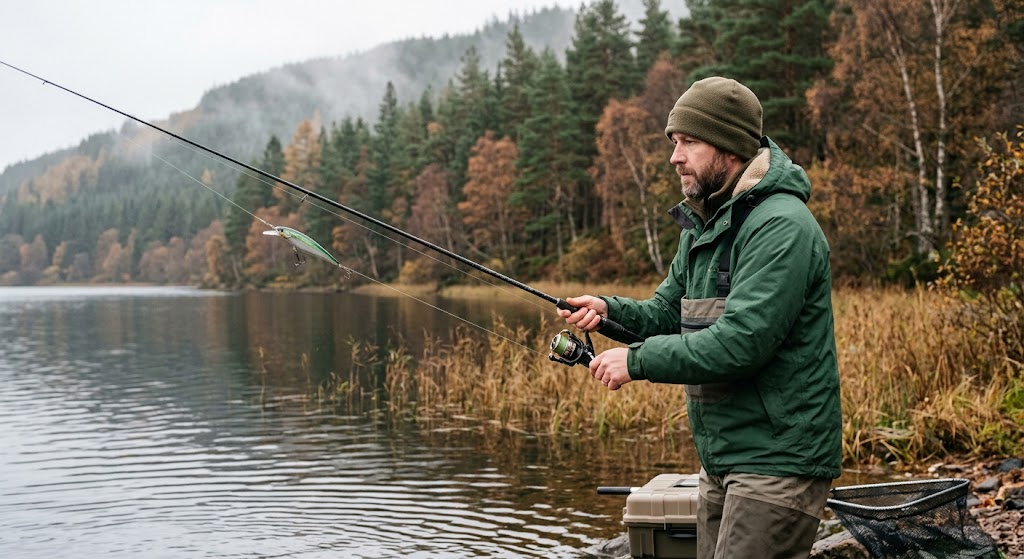
Selecting the right fishing gear can completely transform your time on the water. When targeting fierce freshwater species across UK canal networks, natural lakes, and rivers, choosing a predator rod that aligns with your specific angling tactics is essential. The ideal rod does far more than cast lures or baits; it gives you total lure control, crisp bite detection, and the backbone needed to set hooks securely into hard, bony jaws.
Whether you are stepping into lure fishing for the first time or looking to fine-tune your setup for specimen pike, understanding rod mechanics will significantly improve your catch rates. In this guide, we will break down everything you need to know about rod actions, lengths, test curves, and lure weights so you can make an informed choice with complete confidence.
Understanding Predator Rod Mechanics
To choose the right rod, you must first understand how its physical attributes dictate its performance on the bank. Every rod is defined by its length, action, power, and casting weight rating. Matching these specifications to your target species and chosen tactic ensures a far more enjoyable and successful session.
Rod Action vs Rod Power
Anglers often confuse action and power, but they refer to two distinctly different characteristics. Action describes where the rod blank bends when under load. A fast-action rod flexes primarily near the tip section, offering high sensitivity and rapid hook sets. A moderate or slow-action rod bends deeper through the middle section, absorbing sudden lunges and providing a smoother casting arc for heavier baits.
Power, on the other hand, refers to the rod's overall strength and lifting capability. Ratings range from light and medium-light up to heavy and extra-heavy. A light power rod is perfect for feeling delicate bites from perch on small soft plastics, whereas a heavy power blank provides the raw backbone required to tame large river pike in heavy current.
Selecting the Right Length for UK Waters
Rod length directly influences casting distance, accuracy, and leverage. Shorter rods, typically between 6ft and 7ft, are ideal for tight urban canals, overgrown riverbanks, and boat fishing where space is limited. They allow for precise target casting around feature-rich margins and submerged structures.
Longer rods, ranging from 8ft to 10ft or more, excel when fishing expansive gravel pits, reservoirs, or large rivers where maximum distance is required. The extra length also provides superior line control over high marginal reeds and helps keep your lure working at the correct depth close to the bank.
Fixed Spool vs Baitcaster Setups
Your choice of reel type dictates the style of predator rod you need to purchase. Fixed spool rods feature a conventional trigger-less reel seat and larger lower guide rings to allow line to spiral freely off the spool during a cast. These setups are versatile, user-friendly, and ideal for light to medium lure fishing and bait tactics.
Baitcasting rods feature a prominent trigger grip on the reel seat and smaller, closely spaced guides positioned along the top of the blank. Designed for use with multiplier or baitcasting reels, these rods offer unmatched precision and control when working heavy lures, jerkbaits, or swimbaits for large predators.
Target Species and Tactic Specifics
Different predator species present unique angling challenges. Selecting a setup tailored specifically to your target quarry ensures better presentation and safer fish handling.
Light Lure Rods for Perch
Perch are opportunistic hunters with thin, delicate mouth membranes that can tear if subjected to overly stiff tackle. A dedicated perch rod should generally measure between 6ft 6in and 7ft 6in with a casting weight rating between 2g and 15g. Solid carbon tips are often favoured for micro-jigging because they visually indicate light taps, while tubular tips provide greater feel for working small crankbaits and spinners.
All-Round Setups for Zander
Zander are renowned for their subtle, cautious bites followed by powerful, head-shaking runs. To penetrate their tough, bony mouths, you require a rod with a fast or extra-fast action and a sensitive tip. A 7ft 6in to 8ft 6in rod with a casting rating of 10g to 40g offers the ideal balance for jigging soft plastics along riverbeds and canal structures.
Heavy-Duty Tackle for Pike
Northern pike are aggressive apex predators capable of growing to impressive sizes. When casting heavy lures, large jerkbaits, or deadbaits, you need gear built to handle substantial loads. Lure rods rated from 30g up to 100g+ allow you to throw heavy artificials all day without fatigue. If you prefer static deadbaiting, a traditional 11ft to 12ft bait rod with a test curve between 2.75lb and 3.25lb will cast heavy leads and delicate baits smoothly without tearing the hook out.
Practical Tips
Match your rod's rated casting weight directly to the weight of your lures or deadbait rigs to prevent blank damage and ensure optimal distance.
Inspect the rod guides regularly for micro-cracks or ceramic damage, as rough rings can quickly fray braided mainlines under tension.
Pair your rod with a balanced reel size; an unbalanced setup creates wrist fatigue over long lure-casting sessions.
Consider a multi-piece or telescopic travel rod if you frequently explore urban waterways or footpaths on foot.
Choose a rod handle material (cork or EVA foam) based on comfort and weather conditions; EVA offers excellent grip in the wet, while cork provides classic aesthetics and warmth.
Common Mistakes
One of the most frequent errors made by beginners is buying a rod that is either far too heavy or far too light for their intended tactic. Using an overly heavy rod for perch fishing dampens bite detection and can result in pulled hooks. Conversely, using light gear to target large pike can lead to prolonged fights that exhaust the fish unnecessarily, making recovery difficult during unhooking.
Another common mistake is overloading the rod blank past its maximum casting weight rating. Attempting to power-cast a lure or bait that exceeds the specified weight limit puts excessive stress on the carbon fibres, leading to structural failure or sudden snaps. Always stay comfortably within the manufacturer's stated weight boundaries.
Frequently Asked Questions
What casting weight do I need for a general all-round predator rod?
A medium-action rod with a casting weight rating of 10g to 40g is the ultimate all-rounder for UK waters. It is sensitive enough to enjoy fighting perch, yet possesses sufficient backbone to handle zander and average-sized pike on medium lures.
Can I use a pike deadbait rod for lure fishing?
While technically possible, traditional deadbait rods (usually 11ft–12ft with test curves around 3lb) are heavy and cumbersome for continuous casting. Dedicated lure rods are much shorter, lighter, and ergonomically designed to prevent arm fatigue over hundreds of casts.
What is the difference between a solid tip and a tubular tip rod?
A solid carbon tip offers superior flexibility and visual bite indication, making it ideal for ultra-light jigging and drop-shotting for perch. A tubular tip is hollow, stiffer, and transfers vibrations directly to your hand, giving better control with crankbaits and heavier lures.
How do I clean and maintain my predator rod after a session?
Wipe down the blank and guide rings with a damp cloth to remove grit, dirt, and slime after every trip. Ensure the ferrule joints are clean and completely dry before storing the rod in a breathable sleeve to prevent moisture build-up and sticking.
Conclusion
Selecting the right predator rod comes down to understanding your target species, chosen tactics, and local water conditions. By carefully matching rod action, power, and length to your style of fishing, you will instantly improve your control, casting accuracy, and bite detection.
Equipping yourself with the proper gear ensures every hookup is secure and every battle is handled responsibly. Ready to take your angling skills to the next level? Explore more expert guides, gear tips, and seasonal tactics on the Procastangling.com blog today!