
Lure Fishing for Beginners
Introduction
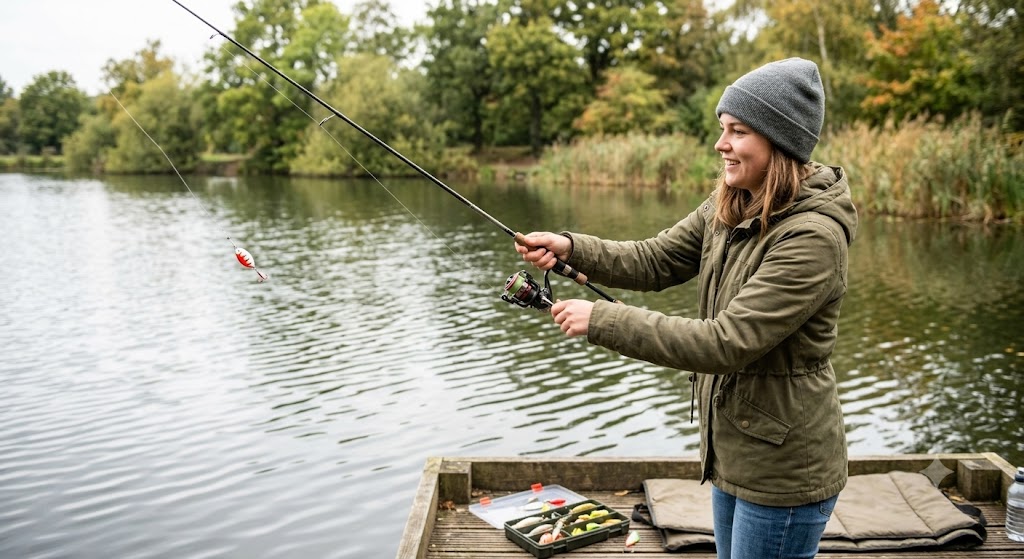
Lure fishing is one of the most dynamic, engaging, and exciting ways to catch predatory fish in the UK. Unlike traditional static angling, where you sit behind stationary rods waiting for a float to bob or a bite alarm to beep, lure fishing is an active sport. You stay on the move, casting artificial imitations that mimic wounded prey fish, insects, or crustaceans to trigger aggressive hunting strikes.
For beginner anglers, lure fishing offers incredible freedom and convenience. With no messy live or frozen baits to buy and maintain, you can grab a lightweight rod, a small box of lures, a net, and head down to your local canal, river, or lake for a quick hour after work or a full day on the water.
Whether you want to target fiery perch in urban canals, sleek trout in wild streams, or powerful pike in large reservoirs, mastering the basics of lure fishing unlocks an exhilarating style of angling. This guide breaks down essential tackle, retrieve techniques, and practical habits to get you catching fast.
Understanding Lure Types and Categories
Artificial lures come in an endless variety of shapes, colours, weights, and swimming actions. While the tackle shop displays can look overwhelming at first glance, almost every lure falls into one of four primary categories.
Soft Plastic Lures
Soft plastics are flexible rubber or silicone lures designed to look like small fish, worms, or crayfish. They are usually mounted on a weighted hook known as a jig head.
Paddle-tail Shad: Features a flattened tail that wiggles frantically during a retrieve.
Creature Baits and Worms: Mimic aquatic larvae, crayfish, or earthworms, making them irresistible to perch when hopped along the bottom.
Crankbaits and Plugs
Hard plastic or wooden lures fitted with small metal or plastic diving lips (vanes) at the front. As you reel in, the lip catches the water, causing the lure to dive, wobble, and vibrate.
Floating Plugs: Float at rest and dive down when retrieved, making them great for shallow margins.
Sinking or Suspending Plugs: Stay at a specific depth, allowing you to work deep holes slowly.
Metal Spinners and Spoons
These classic lures have been catching predators for over a century due to their simplicity and high visibility.
In-Line Spinners: Feature a metallic blade that spins rapidly around a central wire shaft, creating intense flash and water vibration.
Spoons: Curved metal blades that wobble unpredictably side to side, casting brilliant light reflections through murky water.
Surface Lures (Topwaters)
Surface lures float permanently and are designed to splash, pop, or skitter across the water's surface. Watching a predatory fish explode out of the water to swallow a surface lure provides unmatched visual adrenaline.
Assembling Your Lure Fishing Setup
Because lure fishing involves casting hundreds of times in a single session, your rod and reel setup must be lightweight, balanced, and responsive.
Rods and Reels
A versatile all-round lure rod for UK venues measures between 6ft 6in and 7ft 6in in length, with a casting weight rating of 5g to 20g (often classified as Light or Medium-Light). This handles small spinners, soft plastics, and medium crankbaits effortlessly.
Pair this rod with a size 2000 or 2500 front-drag spinning reel. Look for a model with a smooth line roller and a good gear ratio to handle frequent casting and retrieving.
Main Line and Leaders
Braid is the absolute gold standard main line for lure fishing. A 10lb to 15lb fine braided main line has zero stretch, transferring every tiny bump, weed contact, or subtle fish bite directly up the rod blank into your hand.
Always attach a leader to your braid before clipping on a lure:
Fluorocarbon Leader: For waters where only perch, trout, or chub are present, tie a 3ft to 4ft section of 6lb to 8lb fluorocarbon line to the end of your braid. Fluorocarbon is nearly invisible underwater and highly abrasion resistant.
Wire Trace: If there is any chance of encountering a pike on your venue, you must use a wire trace (at least 12 inches long and 15lb–20lb strain). Pike teeth slice through fluorocarbon and braid instantly.
Retrieving Techniques to Trigger Bites
Simply casting out and reeling in at a constant speed will catch fish occasionally, but adding varied rod action is what turns curious followers into aggressive biters.
The Straight Retrieve
Reel in at a steady, moderate pace. This works brilliantly with inline spinners, spoons, and diving crankbaits that have strong built-in swimming actions.
The "Sink and Draw" (Jigging)
Cast out a soft plastic on a jig head and allow it to sink to the bottom. Lift your rod tip smoothly from 9 o'clock to 11 o'clock to hop the lure off the lakebed, then reel up the slack line as the lure flutters back down. Most strikes happen on the drop as the lure falls.
The Stop-and-Go
Reel your crankbait or spinner for four or five turns, then pause completely for two to three seconds. Suspended or slowly sinking lures will halt in mid-water, often triggering a strike from a predator that was tailing the bait closely.
Practical Tips for Immediate Success
Keep Moving (Lure & Move): Never stay in one spot for too long. Make 5 to 10 fan-shaped casts across a swim, and if you get no bites, walk 20 yards further down the bank.
Target Features and Structure: Predators love cover. Cast your lures close to reed beds, lily pads, overhanging trees, bridge pylons, and canal boat hulls.
Match the Hatch: Look at the small natural prey fish in the water. If the venue is full of tiny silvery bleak or gudgeon, choose natural silver, grey, or translucent lures. In murky or coloured water, switch to high-visibility neon yellow, pink, or chartreuse.
Carry an Unhooking Kit: Always carry long forceps, a padded unhooking mat, and side-cutters in a lightweight waist pack or shoulder bag so you are fully prepared when landing fish.
Unclip Lures Easily: Use tiny, high-quality snap links at the end of your leader so you can swap out lure shapes and colours in seconds without retying knots.
Common Mistakes to Avoid
Reeling in Too Fast
In cold water or low-light conditions, predators become sluggish. Fast-moving lures swim right past them before they have time to react. Slow down your retrieve and use longer pauses.
Using Heavy Line Without Leaders
Tying thick braided line directly to a lure reduces its natural swimming action and makes it highly visible to line-shy fish, like perch and trout.
Ignoring the Water Column
Fish do not always sit on the bottom. If you are not getting bites on the lakebed, try shallower diving lures or retrieve faster to work the mid-water and upper surface layers.
Frequently Asked Questions
Can I catch fish on lures in muddy or murky water?
Yes. Predators rely heavily on their lateral line system to detect water vibrations, not just their sight. In murky water, choose metal spinners, dark-coloured lures, or lures with internal rattles that create loud acoustic vibrations and strong silhouettes underwater.
What is the difference between lure fishing and fly fishing?
In lure fishing, the weight of the lure itself pulls the light fishing line off the reel during a cast using a spinning rod. In fly fishing, the heavy, weighted fly line is cast back and forth to carry a virtually weightless feather or fur fly out into the water.
Is lure fishing effective during the winter months?
Yes, but tactics must change. During cold winter weather, predatory fish slow down their metabolism and aggregate in deep, sheltered water. Use very small soft plastic lures worked extremely slowly along the riverbed or lakebed with long static pauses.
How do I stop my line from twisting when using metal spinners?
Inline spinners naturally rotate as they travel through the water, which can twist your main line. Prevent this by attaching a small, high-quality micro barrel swivel or crane swivel between your braided line and your fluorocarbon or wire leader.
Conclusion
Lure fishing is a fast-paced, highly rewarding style of angling that lets you explore miles of natural banks while honing your watercraft. By pairing a balanced lightweight rod setup with the right retrieve tactics and a versatile collection of lures, you will quickly experience the excitement of visual predator strikes. Pack light, stay mobile, and keep experimenting with depths and retrieves. Be sure to check the Procastangling.com blog regularly for more predator tips, gear reviews, and tactical advice to refine your angling skills.