
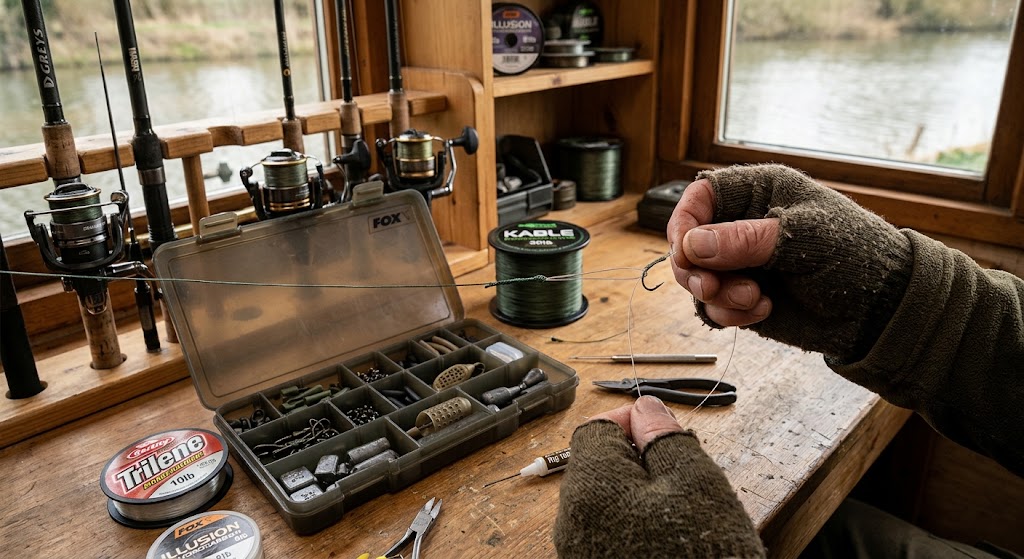
Whether you are settling onto the bank of a tranquil commercial fishery or braving a rushing upland river, your success as an angler ultimately depends on the connection between you and your fish. While rods and reels often grab the headlines, the unseen components hiding beneath the surface—your fishing line and terminal tackle—do the heavy lifting. Choosing the right setup can mean the difference between landing a personal best and walking away empty-handed.
For beginners, the sheer variety of lines, hooks, swivels, and weights can feel overwhelming. Even experienced fishermen benefit from refreshing their knowledge as modern materials and manufacturing techniques continue to evolve. This comprehensive guide will walk you through everything you need to know about line and terminal tackle, tailored specifically for UK fishing conditions. By understanding these core elements, you will gain the confidence to adapt your setup, protect your quarry, and enjoy more productive sessions on the water.
Understanding Fishing Line Options
The line is your vital link to the fish, acting as a communication channel and a shock absorber during a fierce battle. Selecting the correct type of fishing line depends entirely on your target species, the venue you are fishing, and your preferred angling style. Let us break down the three primary categories available on the market today.
Monofilament Line
Monofilament, often simply called mono, is a single-strand nylon line that has been the staple of angling for generations. It is exceptionally versatile, affordable, and forgiving due to its natural stretch. That stretch acts as a buffer, preventing sudden lunges from snapping your line close to the bank. Mono also floats or sinks predictably depending on how it is treated, making it a fantastic all-rounder for general coarse fishing and surface floater work.
Braided Line
Braided line is constructed from multiple strands of high-tech polyethylene fibres woven tightly together. Unlike monofilament, braid has virtually zero stretch, meaning every tiny knock, weed brush, and bottom contour is transmitted straight to your rod tip. It is remarkably thin for its breaking strain, allowing you to cast incredible distances and pack more line onto your reel spool. Braid is widely used for lure fishing, heavy predator angling, and feature-heavy carp waters.
Fluorocarbon Line
Fluorocarbon is a dense, high-performance polymer that is virtually invisible underwater because its light refraction index is very close to that of water. It sinks quickly and resists abrasion far better than standard monofilament, making it the ultimate choice for hooklengths and clear-water situations. While it can be stiffer and more expensive, its stealthy nature tricks wary fish into taking a bait they might otherwise inspect with suspicion.
Essential Terminal Tackle Components
Terminal tackle refers to all the tackle fastened to the end of your mainline. Each piece plays a specific role in presenting your bait naturally and holding your rig securely. Assembling these elements correctly ensures your rig functions exactly as intended when a fish feeds.
Hooks, Swivels, and Weights
Hooks are arguably the most critical component of your entire setup. Choosing the correct pattern and size ensures secure hook-holds while safeguarding the fish's welfare. Swivels prevent your line from twisting when using spinning baits or running leads, while weights, such as split shot and feeder leads, anchor your rig against currents and assist with casting distance.
Rig Construction and Presentation
How you tie your terminal tackle together dictates whether a fish accepts your bait. Using reliable knots like the Palomar or Clinch knot ensures your connections never fail under pressure. Incorporating anti-tangle sleeves and lead clips creates a safe, streamlined presentation that prevents frustrating tangles during the cast.
Practical Tips
- Match line to venue: Choose monofilament for general coarse fishing, fluorocarbon for clear-water hooklengths, and braid for heavy lure work.
- Check your knots: Always moisten your knots with saliva before tightening to prevent friction burns and line weakening.
- Inspect regularly: Run your fingers along the last few feet of your line after catching a fish to check for nicks and abrasions.
- Store correctly: Keep spare spools of line away from direct sunlight and extreme heat to preserve their structural integrity.
Common Mistakes
Many beginners make the mistake of using a single setup for every type of fishing, which inevitably leads to lost fish and snapped lines. Another common error is failing to re-tie knots after catching a heavy fish, as microscopic stress fractures can compromise line strength. Additionally, using line with a breaking strain that is far too heavy for the species targeted can spook fish in clear UK waters, while going too light risks tethering a fish to a snag.
Frequently Asked Questions
What is the best fishing line for absolute beginners?
Monofilament is the ideal choice for beginners. It is inexpensive, easy to tie knots with, and offers forgiving stretch that helps cushion mistakes during casting and playing fish.
How often should I change my fishing line?
You should typically change your mainline once a season, or sooner if you notice fraying, stiffness, or persistent curling. Regular use in saltwater or heavy sun exposure requires even more frequent replacement.
Why is fluorocarbon used for hooklengths?
Fluorocarbon is denser and less visible underwater than monofilament. This stealthy presentation increases your chances of fooling cautious fish in clear lakes and rivers.
Can I use braided line straight to the hook?
While possible, it is rarely recommended because braid lacks stretch and visibility can deter fish. Most anglers tie a monofilament or fluorocarbon shock leader or hooklength to the end of their braid.
Conclusion
Mastering line and terminal tackle is a rewarding journey that transforms your entire angling experience. By selecting the right combination of line and components, you can present baits more naturally, hook fish more securely, and tackle any UK water with total confidence. Continue exploring the Procastangling.com blog for more expert tips, gear guides, and tactical advice to elevate your fishing adventures.