
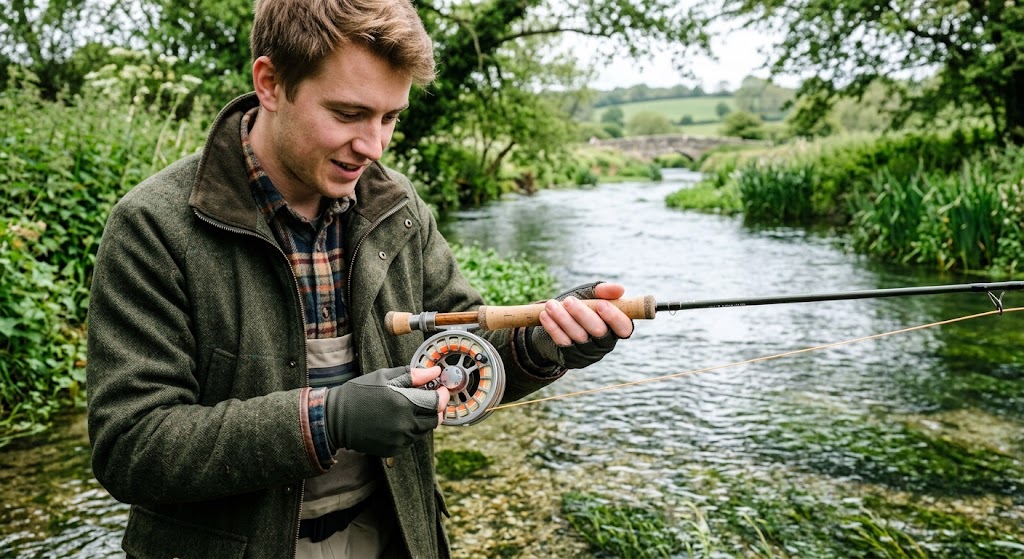
Stepping into the world of fly fishing is an exciting milestone for any angler. While much of the spotlight often falls on the rod or the artificial flies themselves, your fly reel plays a vital supporting role on the water. Beyond simply storing your fly line, a reliable reel helps balance your setup and protects your main line when a powerful fish makes a sudden run. For beginners and seasoned fishermen alike, understanding what makes a great reel can transform your time on the water.
Choosing your first fly reel does not need to feel overwhelming or complicated. The key is understanding how different components work together to match your fishing style and target species. Whether you are targeting wary brown trout on a tranquil chalk stream or chasing lively pike on a local stillwater, the right gear gives you confidence. Let us explore everything you need to know to make a confident, informed purchase.
Understanding Fly Reel Basics
How Fly Reels Differ from Conventional Reels
Unlike traditional spinning or baitcasting reels, a fly reel does not actively cast the lure or weight out. In fly fishing, the weight of the heavy fly line itself carries the artificial fly through the air during the cast. Therefore, a fly reel acts primarily as a line storage container and a mechanical brake, known as a drag system. This fundamental difference means your reel choice focuses heavily on line capacity and weight rather than gear ratios for retrieving line quickly.
Types of Fly Reel Drag Systems
The drag system provides resistance when a fish pulls line off your reel, preventing the line from snapping under pressure. There are generally two primary types of drag systems found on modern fly reels: click-and-pawl and disc drag. Click-and-pawl is a traditional, lightweight mechanical system that relies on a gear and spring to create resistance. It offers a classic sound and is more than adequate for smaller freshwater fish like trout and grayling.
Disc drag systems, on the other hand, use friction plates—often made of cork, carbon fibre, or stainless steel—to create much stronger, smoother resistance. These are ideal if you plan on targeting harder-fighting species or larger fish that require serious stopping power. Modern disc drags are completely sealed against water, grit, and dirt, ensuring consistent performance in all weather conditions.
Key Factors When Buying Your First Reel
Balancing Your Fly Rod and Reel Setup
A balanced outfit feels comfortable in your hand and reduces fatigue during a long day of casting. If your reel is too heavy, your wrist will tire quickly; if it is too light, the rod tip will feel heavy and unresponsive. Most fly rods feature a suggested line weight rating, and manufacturers usually design fly reels to match specific line weight ranges. Always check the manufacturer specifications to ensure your reel accommodates your rod weight class, such as a #4-6 weight reel for a standard trout rod.
Arbor Size: Large Arbor vs. Standard Arbor
Arbor refers to the central spool drum where your backing and fly line sit. A large arbor reel features a larger diameter spool core, which offers several distinct advantages for modern anglers. Because the spool diameter is wider, line coils come off in larger loops, resulting in less memory curl and fewer frustrating tangles. Additionally, a large arbor allows you to retrieve line much faster when a fish suddenly swims directly toward you.
Material Construction and Durability
Fly reels are typically manufactured using two main methods: die-casting or machine-cutting (machined aluminium). Die-cast aluminium reels are produced by pouring molten metal into a mould, making them highly cost-effective and perfect for beginners on a budget. Machined reels are carved from a solid block of aerospace-grade aluminium using precision computer numerical control (CNC) technology. While machined reels carry a higher price tag, they offer exceptional durability, tighter tolerances, and superior strength-to-weight ratios.
Practical Tips
- Match the reel weight to your rod: Always purchase a reel that corresponds directly with your rod's designated line weight class to maintain a balanced, comfortable casting stroke.
- Do not overlook the backing: Spool your reel with braided backing line beneath your fly line to fill the arbor and provide extra security when a large fish takes a long run.
- Practice palm dragging: If you choose a simpler click-and-pawl reel, you can use the palm of your hand against the exposed rim of the spool to apply extra manual resistance.
- Rinse your gear after saltwater use: If your freshwater reel ever encounters brackish or marine environments, thoroughly rinse it with clean tap water to prevent corrosion.
Common Mistakes
Ignoring Total Weight and Balance
Many beginners focus solely on the aesthetics or price of a reel without considering how it sits on their specific rod. An unbalanced outfit disrupts your casting rhythm and places unnecessary strain on your arm. Always test-fit the reel onto your rod if possible to ensure a harmonious feel before buying.
Overspending on Complex Drag Systems
While high-end sealed disc drag systems are impressive pieces of engineering, they are rarely necessary for standard trout and grayling fishing. Buying an overly complex, expensive reel for casual river fishing can stretch your budget without offering any real-world fishing benefits. Choose a reliable, mid-range reel that matches your actual target species.
Frequently Asked Questions
Do I need an expensive fly reel for trout fishing?
No, trout rarely strip enough line to test the absolute limits of a high-end drag system. For most freshwater trout fishing, a reliable mid-priced reel with a smooth click-and-pawl or basic disc drag is more than sufficient.
What is backing and why is it important?
Backing is a thin, strong braided line tied directly to the arbor of your reel before your fly line is attached. It fills up the spool and provides extra yardage to prevent powerful fish from snapping your main line during a long run.
Can I use the same fly reel for both river and lake fishing?
Yes, many anglers use a versatile mid-weight setup, such as a #5 weight outfit, for both river trout and small stillwater fisheries. Just ensure your reel has enough physical capacity to hold your floating or sinking lines comfortably.
Conclusion
Choosing your first fly reel is an exciting step that brings you closer to your next memorable day by the water. By focusing on proper rod balance, selecting the right arbor size, and matching the drag system to your target species, you can invest in gear that serves you well for seasons to come. Remember that confidence on the water starts with understanding your equipment. Continue exploring the Procastangling.com blog for more expert guides, tackle tips, and inspiration to elevate your angling journey.