
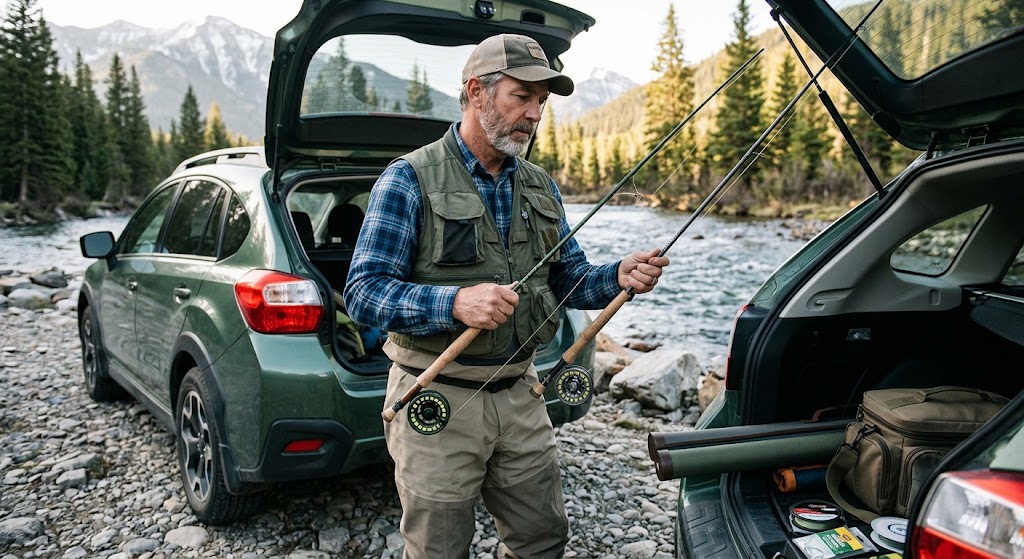
Fly fishing is a beautifully delicate and highly rewarding discipline of angling that connects you closely with nature. However, for those just starting out, the sheer amount of technical terminology can feel slightly overwhelming. One of the most common questions beginners ask is how to go about choosing the right fly rod weight. Getting this fundamental choice right is absolutely essential for your casting accuracy, bait presentation, and overall enjoyment on the bank.
Unlike traditional coarse fishing rods, which are often classified by casting weight or test curve, fly rods use a completely different system. The weight of your fly rod dictates the specific weight of the fly line it is designed to cast. This, in turn, directly influences the size of the flies you can effectively present and the fish species you can realistically target. An unbalanced setup will make casting feel incredibly clumsy and frustrating, regardless of your skill level.
Whether you are creeping along a crystal-clear chalk stream or casting large streamers on a windswept reservoir, your rod weight matters. This comprehensive guide will explain everything you need to know about fly rod weights in simple, accessible language. By the end of this article, you will have the complete confidence to select the perfect rod for your UK fly fishing adventures.
Understanding the Fly Rod Weight System
When you browse through fly rods online or in a tackle shop, you will notice numbers like "5wt" or "#5" printed on the blanks. This number represents the rod's designated weight rating, but it does not refer to the physical weight of the carbon fibre rod itself. Instead, it refers to the specific weight of the fly line that the rod has been engineered to cast. Understanding this core concept is the first major step in assembling a balanced and effective fly-fishing setup.
In fly fishing, the fly itself is often practically weightless, especially when using tiny dry flies or small nymphs. Therefore, you are actually casting the weighted fly line, and the fly simply follows along for the ride. The rod needs to flex and load under the weight of that specific line to propel it forward smoothly. If you pair a heavy line with a light rod, or vice versa, the entire casting mechanics will fail to function correctly.
The AFTM Rating System Explained
To keep things standardised across different tackle manufacturers, the angling industry uses the AFTM (Association of Fishing Tackle Manufacturers) rating system. This internationally recognised scale ranges from 1 to 15, measuring the weight of the first 30 feet of a fly line. A 1-weight line is incredibly light and delicate, whereas a 15-weight line is a heavy, robust rope designed for massive saltwater species.
Your fly rod will have an AFTM rating printed just above the cork handle, matching it to the corresponding line weight. For example, a rod marked as a "#5" is perfectly optimised to cast an AFTM 5-weight fly line. Sticking to this matched system ensures that your rod will load perfectly during the casting stroke, allowing you to achieve maximum distance and accuracy with minimal physical effort.
Choosing by Target Species and Venue
The easiest way to determine your ideal fly rod weight is to look at where you plan to fish and what species you are targeting. UK fly fishing venues are incredibly diverse, ranging from intimate, overgrown brooks to vast, sprawling reservoirs like Rutland Water or Chew Valley. Each of these distinct environments demands a slightly different approach and a tailored tackle setup.
Let us break down the standard fly rod weight categories to help you match the correct rod to your chosen venue. By understanding the strengths and limitations of each weight class, you can easily build a highly versatile tackle collection over time.
Light Weights (1-Weight to 3-Weight)
Lightweight fly rods are highly specialised tools designed specifically for delicate presentations in very tight spaces. These extremely sensitive rods are perfect for exploring small, overgrown streams and intimate brooks where a long cast is simply impossible. They excel at presenting tiny dry flies and small nymphs to highly cautious, easily spooked wild brown trout.
Because the fly line is so incredibly light, it lands on the water's surface like a feather, causing zero disturbance. However, these light rods struggle immensely in windy conditions and lack the backbone to cast larger, heavier flies. If your local fishing involves stalking small, wild fish in tight, tree-lined streams, a 3-weight rod is an absolute joy to use.
Medium Weights (4-Weight to 6-Weight)
The medium weight category contains the absolute best all-rounders for UK freshwater fly fishing. If you are a complete beginner looking to purchase your very first fly rod, a 5-weight is almost universally recommended by experts. It offers the perfect "goldilocks" balance, being delicate enough for dry fly fishing on rivers but robust enough to cast small lures on stillwaters.
A 4-weight rod is considered the ultimate tool for traditional UK river fishing, offering excellent presentation for trout and grayling. Meanwhile, a 6-weight rod provides slightly more power, making it a fantastic choice for larger rivers or small commercial trout lakes. A 6-weight can comfortably punch through a moderate breeze and handle slightly heavier weighted nymphs and medium-sized streamer flies.
Heavy Weights (7-Weight to 9-Weight)
When you step up to the 7-weight to 9-weight category, you are moving into the realm of large waters and larger, more aggressive fish. A 7-weight or 8-weight rod is the standard choice for boat or bank fishing on large UK reservoirs targeting hard-fighting rainbow trout. These rods have the necessary power to cast heavy, sinking lines and turn over large, wind-resistant lure patterns with absolute ease.
Furthermore, an 8-weight or 9-weight rod is considered the starting point for targeting UK predator species like pike, or for single-handed Atlantic salmon fishing. They provide the extreme backbone required to cast massive, water-logged pike flies and forcefully set the hook into a tough, bony mouth. These heavier rods also perform exceptionally well in coastal saltwater environments if you decide to target hard-fighting sea bass.
Crucial Factors Influencing Your Decision
While matching the rod to the fish species is a great starting point, several external factors should also influence your final decision. Fly fishing is an incredibly dynamic sport, and the environmental conditions on the day will constantly test your tackle setup. Understanding how to combat these variables will make your time on the bank far more productive.
The Size of Your Flies
The size and air resistance of the flies you intend to use dictate your required line weight, which in turn dictates your rod weight. A delicate 4-weight line simply lacks the mass and momentum required to carry a large, bushy lure through the air. The cast will collapse completely, resulting in a frustrating, tangled mess at your feet.
Conversely, casting a tiny size 18 dry fly using a heavy 8-weight setup is equally disastrous for your presentation. The heavy line will crash onto the water's surface, instantly spooking any cautious trout in the immediate vicinity. Always match your rod weight to the general size of the flies you plan to cast the most often.
Weather Conditions and Wind
The wind is the natural enemy of the fly angler, particularly on large, exposed stillwaters across the UK. A light fly line will easily be blown wildly off course by a strong gust, ruining your accuracy and drastically reducing your casting distance. When fishing in consistently windy locations, stepping up to a slightly heavier rod weight is a very smart tactical move.
A heavier 7-weight or 8-weight line has the necessary mass to aggressively punch through a stiff headwind. This extra weight keeps your cast tight and controlled, ensuring your fly actually reaches the feeding fish. If you plan to fish large reservoirs in the autumn and winter months, a heavier rod is an absolute necessity.
Practical Tips
Always clearly define your primary fishing venue before purchasing a new fly rod to ensure you buy the most appropriate weight.
If you can only afford one single rod for general UK trout fishing, choose a 9-foot, 5-weight rod for maximum versatility.
Ensure your reel matches your rod weight; a heavy 8-weight reel will completely unbalance a delicate 4-weight rod, making casting very tiresome.
Practice your casting stroke on open grass before hitting the water, as this helps you naturally feel how the rod loads with your chosen line.
Consider purchasing a rod with a fast action if you frequently fish in windy conditions, as it generates tighter, faster line loops.
Keep your fly line exceptionally clean by washing it in warm, soapy water; a clean line shoots through the rod rings much further and easier.
Common Mistakes
One of the most frequent beginner mistakes is "over-gunning" their setup by purchasing a rod that is far too heavy for their local waters. Using an 8-weight rod on a small, delicate river completely ruins the subtlety of the sport and makes catching small wild trout feel unrewarding. Always strive to use the lightest gear you can confidently get away with for a more thrilling fight.
Another remarkably common error is completely mismatching the fly line weight to the rod's designated AFTM rating. Putting a 7-weight line on a 5-weight rod will severely overload the carbon blank, making the cast feel sluggish and potentially risking a rod breakage. Always trust the manufacturer's printed rating and pair your rod with the exact matching line weight for optimal, trouble-free performance.
Finally, many anglers completely ignore the importance of the rod's physical length when choosing their weight rating. A 10-foot, 7-weight rod will feel drastically heavier in the hand than a 9-foot, 7-weight rod due to the altered leverage and balance. Always try to hold the rod with your reel attached before purchasing to ensure it feels comfortable for a long day of continuous casting.
Frequently Asked Questions
What does "turning over a fly" actually mean?
"Turning over" refers to the final stage of the fly cast, where the fly line entirely unrolls and the leader straightens out perfectly over the water. If your rod and line are too light for the fly you are using, the cast will lose momentum and fail to turn over. This results in the line and fly landing in a messy, bunched-up heap on the surface.
Can I use a 5-weight line on a 6-weight fly rod?
Yes, this is a technique sometimes referred to as "under-lining," but it is generally not recommended for complete beginners. Using a lighter line on a heavier rod requires excellent casting timing, as the rod will not load as deeply or as easily. It is always best to stick to the rod's exact designated weight rating while you are still learning the fundamental mechanics of the cast.
Is an 8-weight rod absolutely necessary for UK pike fly fishing?
An 8-weight is generally considered the absolute bare minimum for UK pike fly fishing, though a 9-weight or 10-weight is often preferred by experienced predator anglers. Pike flies are incredibly large, bulky, and absorb a lot of water, making them remarkably heavy to cast. A heavier rod is essential to comfortably cast these massive flies and to exert enough pressure to safely land a large pike.
How do I know if my fly rod and reel are perfectly balanced?
To check the balance of your setup, attach your fully loaded reel to the fly rod and pull a few yards of line through the rod tip. Rest the rod grip gently on your extended index finger, roughly one inch down from where the cork handle meets the blank. If the rod stays perfectly level and does not dip heavily at the tip or the butt, your setup is excellently balanced.
What rod weight should I choose for catching Atlantic Salmon?
For targeting Atlantic Salmon on larger UK rivers, most anglers utilise double-handed Spey rods ranging from an 8-weight up to an 11-weight. If you are using a single-handed rod on a smaller spate river in the summer, a robust 8-weight or 9-weight is ideal. These heavier weights are required to cast large tube flies and cleanly fight powerful, migratory fish in fast, heavy currents.
Conclusion
Choosing the right fly rod weight is the crucial foundation of a successful and thoroughly enjoyable fly-fishing experience. By understanding the AFTM rating system and accurately matching your tackle to your chosen venue, you will drastically improve your casting efficiency and bait presentation. Whether you opt for a delicate 3-weight for small brooks or a powerful 8-weight for sprawling reservoirs, the right tool makes all the difference.
Remember that fly fishing is a wonderful journey of continuous learning, and your tackle preferences will naturally evolve as your skills improve. Do not rush your decision; take the time to consider where you will be fishing the most and what species you truly wish to target. Be sure to explore our expansive range of tackle reviews and expert guides to continue enhancing your angling knowledge. Keep visiting the Procastangling.com blog for more tips, tricks, and essential insights to make your next fly-fishing adventure a resounding success.