
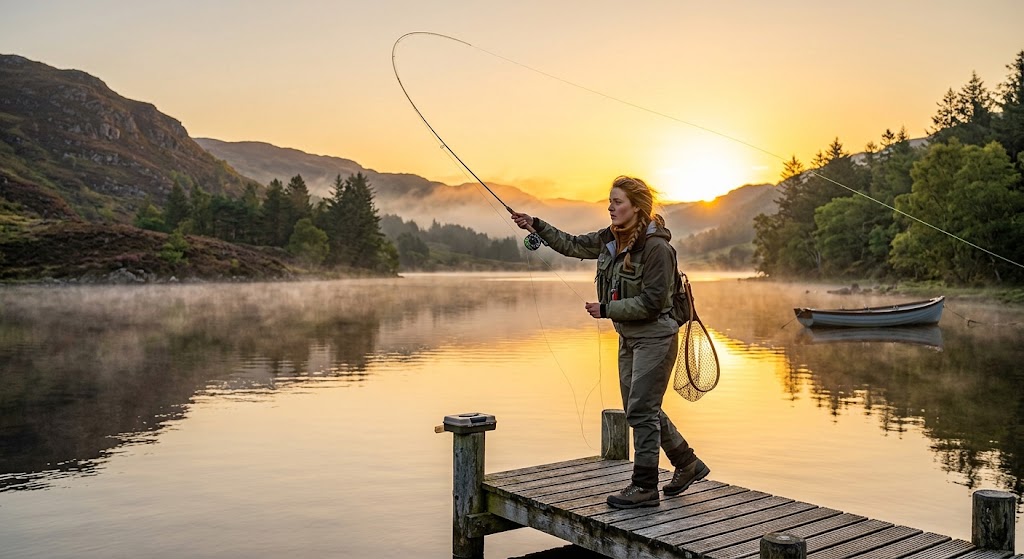
Stillwater Fishing Explained
Stillwater fishing is one of the most accessible and enjoyable ways to experience coarse angling in the United Kingdom. Encompassing everything from small estate ponds and large natural lakes to purpose-built commercial fisheries, stillwaters provide a stable environment where a vast range of species thrive. Unlike rivers, enclosed waters lack a flowing current, presenting unique opportunities and tactical challenges for anglers of all skill levels.
Whether you are targeting shy, natural venue bream or hard-fighting commercial carp, understanding how quiet waters behave is crucial. Factors such as wind direction, water clarity, depth variations, and underwater features dictate where fish shelter and feed. Mastering these elements allows you to approach any lake with confidence and a clear game plan.
Understanding Lake Hydrology and Fish Location
Because lakes and ponds lack flowing water, fish do not need to fight a current. Instead, their movements are governed by temperature changes, dissolved oxygen levels, light intensity, and food availability. Learning to read a stillwater—often referred to as watercraft—is the single most effective skill you can develop.
Warm weather, prevailing winds, and physical cover all influence where fish aggregate throughout the day. By paying attention to subtle clues on the water's surface, you can locate fish before you even unpack your rod bag.
Locating High-Percentage Feature Areas
Islands and Overhanging Trees: Physical structures provide safety from predators and shade from bright sunlight. Fish naturally patrol these boundaries looking for fallen terrestrial insects.
Silt Beds and Gravel Bars: Underwater topography varies dramatically. Fish love feeding along the drop-offs where deep water meets shallow gravel bars, as well as soft silt beds rich in natural bloodworms.
Marginal Reeds and Lilies: The shallow margins along the lake edge are prime feeding zones, particularly during early mornings and late afternoons when larger fish feel comfortable foraging near the bank.
The Impact of Wind and Temperature
Wind plays a massive role in stillwater angling. A persistent wind pushes warm surface water and floating food items toward the leeward bank, drawing hungry fish along with it. As a general rule, following a warm wind will lead you to active fish.
Conversely, during cold winter spells, a bitter northern or eastern wind can cool shallow water rapidly. In these conditions, fish often retreat to the deepest, most stable pockets of the lake where water temperatures remain slightly warmer and more consistent.
Essential Tactics for Stillwater Success
To consistently catch on lakes and ponds, you must tailor your rig and presentation to the specific venue you are fishing. The two primary methods for targeting stillwater coarse fish are float fishing and feeder fishing.
Each method allows you to present your hookbait naturally while building a concentrated area of feed to hold fish in your swim for hours.
Mastering Stillwater Float Rigs
Float fishing on lakes requires fine-tuning to combat surface drift caused by wind. A straight waggler attached to the line at the bottom end allows you to sink your mainline beneath the surface scum, keeping your float stationary.
Plumbing the depth is vital when float fishing stillwaters. Sinking a heavy plumb weight down to the lakebed tells you the exact water depth, enabling you to set your float so your hookbait rests precisely on the bottom or trips just above it.
Feeder and Ledger Techniques
When fish are feeding beyond the reach of a float rod, or when windy conditions make float control difficult, ledgering becomes the go-to tactic.
Method Feeders: Perfect for commercial fisheries stocked with carp and F1s. Groundbait or softened pellets are compressed around a central feeder tube with the hookbait embedded directly on top, creating an irresistible single bite package.
Cage Feeders: Ideal for natural lakes targeting bream and roach. Wire or plastic cages release groundbait quickly upon reaching the lakebed, creating an attractive cloud of feed.
Straight Lead Rigs: A simple weight setup that minimizes disturbance, making it ideal for wary fish in shallow water or when feeding loose items like pellets or corn over the top with a catapult.
Practical Tips
Sink your main line when float fishing by plunging your rod tip under the surface and giving the reel a few quick turns to prevent wind from pulling your rig out of position.
Cast accurately to the exact same spot every time to concentrate your loose feed and build a confident feeding area.
Start your session with lightweight terminal tackle, as lighter lines and smaller hooks yield significantly more bites in still, clear waters.
Use a plumb weight on every new venue to map out underwater contours, drop-offs, and soft silt patches before choosing your fishing spot.
Keep your bait fresh by covering maggots and groundbait with a damp towel to prevent them from drying out in direct sunlight.
Common Mistakes
A frequent error on stillwaters is over-refining tackle on commercial venues or using overly heavy tackle on clear, natural lakes. Matching your line diameter, hook size, and elastic rating to the average size of the venue's fish stocks prevents lost fish while ensuring you still get plenty of bites.
Another common mistake is failing to sink the mainline between your rod tip and the float. If your line sits on top of the water's surface, the wind creates a large arc in the line, dragging your float out of the target zone and making it almost impossible to strike effectively when a bite occurs.
Finally, many anglers sit in one spot all day without adjusting their depth or distance. Stillwater fish move constantly throughout the water column and around the lake. If bites dry up, experiment by fishing shallower, changing your distance, or moving to a different swim altogether.
Frequently Asked Questions
What is the best time of year for stillwater fishing in the UK?
Spring and summer are peak seasons because rising water temperatures boost fish metabolism and feeding activity. However, winter stillwater fishing can also be productive if you target cold-water species like pike, perch, and chub using scaled-down tactics.
How do I stop the wind from moving my float on a lake?
Use a bottom-attached waggler, sink your main line beneath the surface water, and lay a few inches of your hooklink flat on the lakebed with a small shot placed near the hook to anchor the rig.
Should I use groundbait or pellets on stillwaters?
It depends on the venue type. Natural lakes with bream, roach, and tench respond best to traditional cereal groundbaits mixed with sweet additives, whereas modern commercial lakes stocked with carp favor hard and micro pellets.
How far out from the bank should I fish?
Fish as close as possible while remaining effective. Many big fish patrol the margins just a few feet from the bank, so do not feel obligated to cast to the middle of the lake unless features or fish activity dictate otherwise.
Conclusion
Stillwater fishing offers an incredibly varied and rewarding experience for UK anglers, whether you prefer relaxing by a quiet canal-style pond or tackling a large natural lake. By taking the time to read the water, plumbing your depth accurately, and adapting your tactics to suit the venue, you will see a dramatic improvement in your catch rates. Keep refining your watercraft, testing different bait combinations, and enjoying every moment on the bank. To expand your angling knowledge further and discover more practical guides, explore the latest articles on the Procastangling.com blog.